
A Delivered-but-Not-Received Claim Needs a Proof File Before You Refund or Fight
A delivered-but-not-received claim workflow helps small businesses verify the facts, respond consistently, and decide when to replace, refund, or dispute.
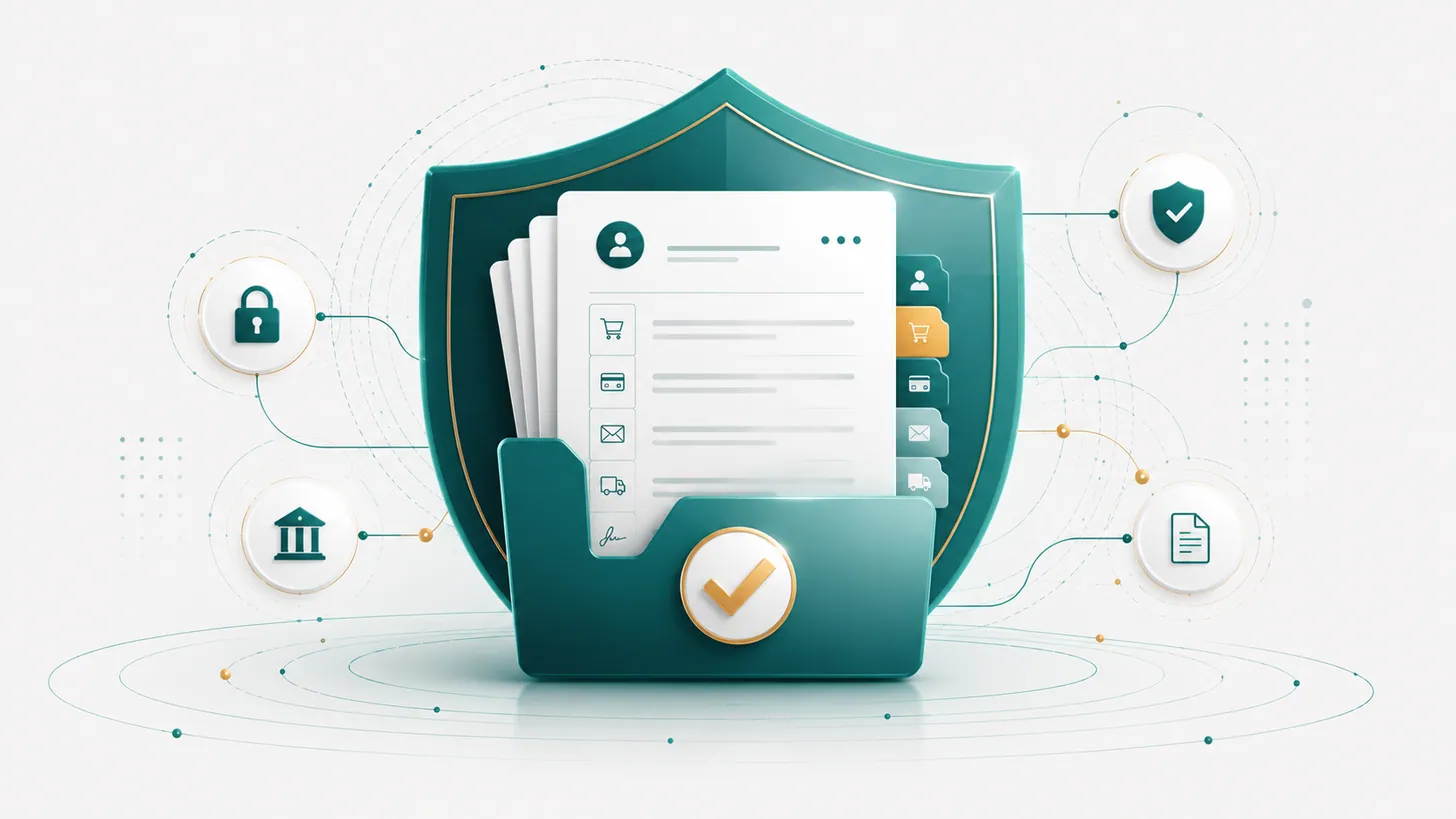
A delivered scan is not the end of the story, but it should immediately become the start of a proof file before the business promises a refund, replacement, or dispute.
A delivered-but-not-received claim should trigger a proof file with tracking, delivery details, address confirmation, customer communication, and the next carrier step before the business decides whether to replace, refund, or dispute. The question is not whether the customer is lying. The question is whether your facts are organized before money or inventory moves again.
Small sellers often jump to one of two bad extremes. They either refund immediately without checking the evidence, or they argue with the customer before checking the shipment record carefully. A better workflow keeps the tone calm and the file organized.
The case deserves structure because several questions are usually open at once. Did the carrier actually reach the right address? Was the package left in a risky delivery spot? Is the customer reporting fast enough for a carrier trace? Could the claim become a chargeback if support answers slowly or inconsistently? One file helps the business answer those questions in order.
Rules vary by state, so verify with your attorney or accountant if loss-allocation terms, shipping insurance, signature requirements, or dispute obligations affect how your business should handle a missing-delivery claim.
What belongs in the proof file
| Proof item | Why it matters | Examples |
|---|---|---|
| Tracking evidence | Shows carrier status and timeline. | Delivered scan, timestamp, geolocation where available. |
| Address confirmation | Confirms where the package was sent. | Order address, apartment details, customer confirmation. |
| Customer communication | Documents what was reported and when. | Email, chat, or support ticket summary. |
| Next carrier step | Keeps the case moving. | Trace request, claim, or local post office follow-up. |
The four-step response flow
Why these claims turn into chargebacks
Support sends mixed messages, no file is built, and the customer files a chargeback before the business even knows what proof it has.
The seller confirms the facts, responds with a consistent script, and keeps the evidence organized in case the dispute escalates.
A customer-response script you can adapt
Thanks for letting us know. We checked the tracking and it shows delivered on [date] to [delivery detail if appropriate]. Before we decide the next step, please check [front door, mailroom, neighbor, household member, or building desk] if relevant. We are also checking the carrier details now and will update you by [date] with the next action.
Get the free Emergency Triage Sheet
The first three moves for any business emergency, plus one practical fix in your inbox each week.
No spam. Unsubscribe anytime.
Small business example
An apparel seller gets a message that a $148 order never arrived even though the carrier marked it delivered that morning. Instead of promising an instant replacement, the support lead checks the scan time, confirms the apartment number, asks whether the building has a package room, and opens a carrier trace the same day. In several cases, the package is found before inventory is replaced. In the cases that become disputes, the seller already has a stronger evidence file.
That file matters even when the seller chooses to make the customer whole quickly. If a replacement is sent, the business still wants a record of the first shipment, the customer statement, the carrier case number, and the resolution path. Otherwise the team cannot spot repeat patterns by carrier, building type, or shipping method.
It also keeps support from sending mixed signals. One agent may say the package is definitely lost while another tells the customer to wait two more days. The workflow should define who owns the case, when the carrier process starts, and when a replacement or refund becomes the business decision.
For higher-risk orders, this workflow also connects back to dispute defense. If the buyer later files an item-not-received chargeback, the seller already has the tracking proof, customer outreach timeline, and carrier actions organized instead of scrambling at the deadline.
Checklist for a delivered-not-received claim
- Save the tracking page or delivery proof immediately.
- Confirm the exact delivery address used on the order.
- Ask the customer to check common delivery handoff points.
- Open the carrier process before the claim window gets stale.
- Keep one case file in case the issue turns into a chargeback.
FAQ: should you refund every delivered-not-received claim right away?
Not automatically. Some cases resolve through building checks or carrier traces. The stronger approach is to move quickly, stay respectful, and make the resolution decision from a documented file instead of from panic or suspicion.
Marketplace escalation note
If the order sits on Amazon and the buyer opens an A-to-z claim, the same proof file needs to become a marketplace response packet. Use the Amazon A-to-z claim response evidence checklist before you submit the official seller response.
Free version vs. full kit
This article is the free version: build the proof file, check the delivery facts, and respond consistently. The full Chargeback Evidence Response Kit adds dispute trackers, evidence checklists, response templates, and packet builders for delivery-related claims that escalate.
View the Chargeback Evidence Response Kit
Related article: How to Build a Chargeback Evidence Packet Before the Deadline Gets Ugly
Fix the next one before it starts.
Join the list for the free Emergency Triage Sheet and a new practical fix every week.
No spam. Unsubscribe anytime.